


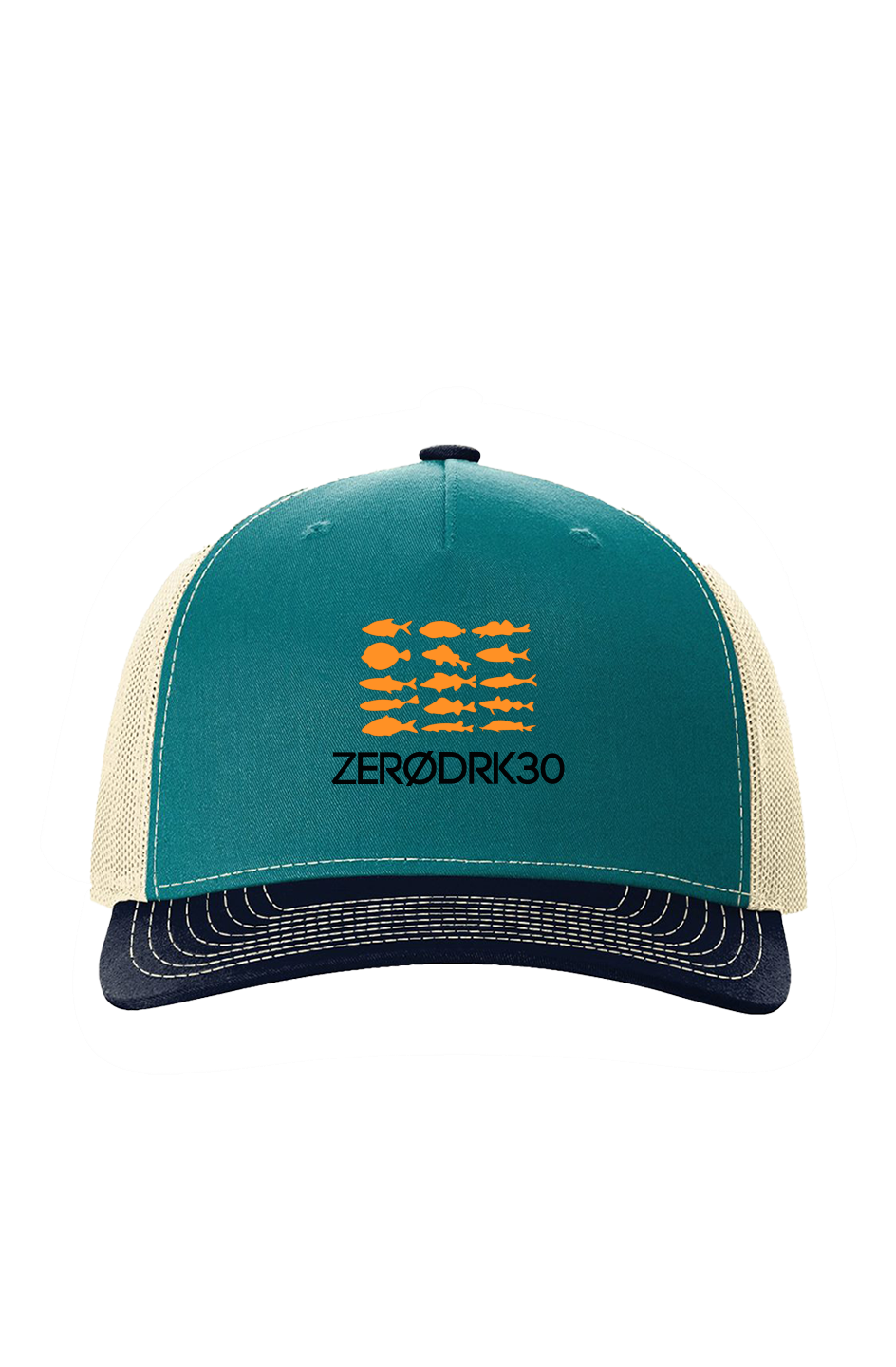
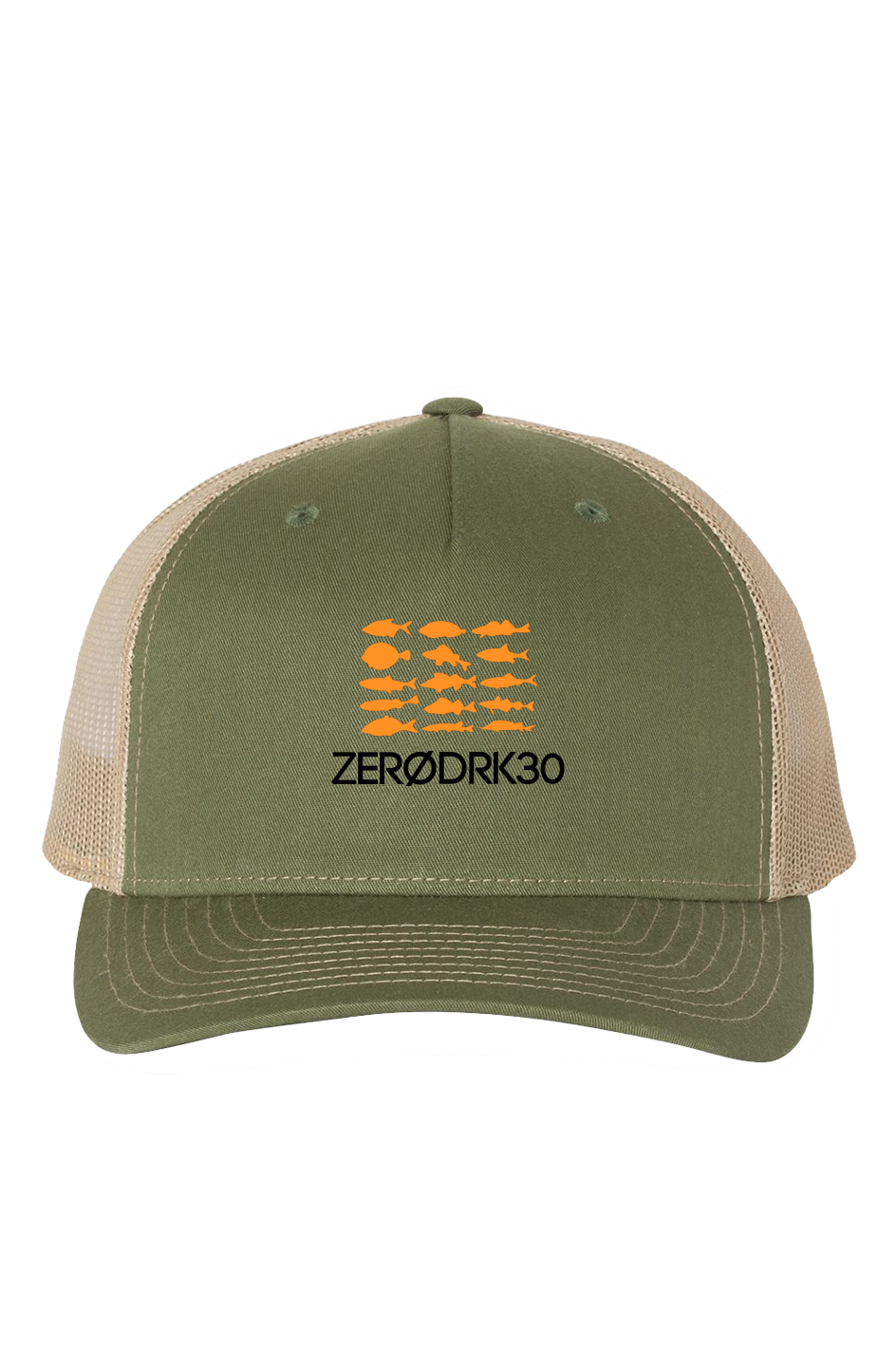
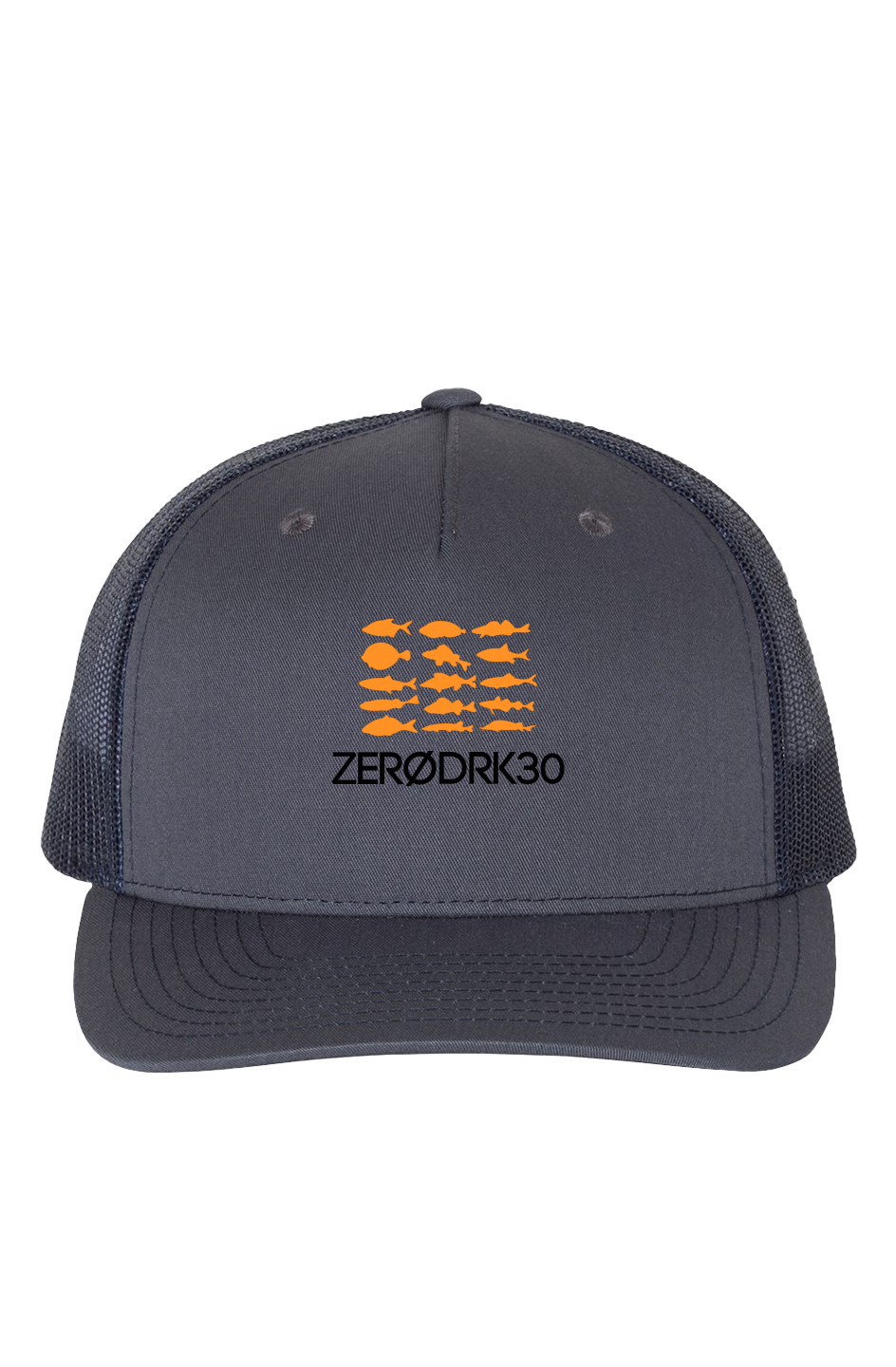


Fishing sun protection works best as a complete system, not a single product. For a full day on the water, combine clothing that covers exposed skin, sunscreen on areas your clothing does not cover, a hat, UV-blocking sunglasses, and a plan for shade, breaks, and changing conditions.
That matters because fishing often means hours of direct exposure with limited shade. The Centers for Disease Control and Prevention notes that ultraviolet radiation can reflect from water and recommends protective clothing, a wide-brimmed hat, sunglasses that block UVA and UVB rays, sunscreen, and shade as part of a broader sun-safety routine.
The practical answer
The best sun protection for fishing combines coverage and consistency. Choose clothing with a verified UPF rating when possible, protect exposed areas with sunscreen, wear a hat and UV-blocking sunglasses, and adjust your plan based on the UV Index, time of day, location, and length of the trip.
Why fishing sun protection needs more than a hat
A cap can shade part of your face, but it does not cover every area that stays exposed during a fishing trip. Ears, the back of the neck, lower face, hands, and forearms can still receive direct or reflected UV radiation.
Water also changes the situation. UV radiation can reflect from the surface, so exposure does not come only from directly overhead. Long stretches in an open boat, on a pier, along a shoreline, or in a kayak can add up even when the weather feels comfortable.
Clouds are not a reliable reason to skip protection. UV can still reach your skin on overcast days, while higher elevations and midday hours can increase exposure. Before leaving, check the UV Index and build your clothing and sunscreen plan around the conditions you will actually face.
Fishing sun protection checklist
Use this checklist before a long day outdoors. It separates the main protection areas so one forgotten detail does not weaken the rest of your setup.
Swipe horizontally to view the full table on mobile.
| Area | What to use | What to check |
|---|---|---|
| Upper body | Long sleeves or a hooded fishing layer with a stated UPF rating | Coverage, verified UPF, fit, movement, and the exact product specifications |
| Head and neck | A wide-brimmed hat, sun cap, hood, or neck coverage | Whether your ears, neck, and sides of the face remain exposed |
| Face and exposed skin | Broad-spectrum sunscreen used according to the product label | Reapplication timing, water-resistance directions, and easily missed areas |
| Hands | Sunscreen or fishing gloves suited to the way you handle your rod and tackle | Grip, dexterity, coverage, and whether the backs of your hands remain exposed |
| Eyes | Sunglasses that block both UVA and UVB rays | Coverage from the sides, secure fit, and lens labeling |
| Trip plan | Shade, breaks, water, and a backup layer | UV Index, time of day, elevation, weather, and expected hours outside |
How to choose fishing sun protection clothing
Fishing sun protection clothing should make coverage practical enough to maintain throughout the trip. A garment that feels restrictive, stays out of place, or does not suit the conditions may end up rolled up or removed when you need it most.
Start with a verified UPF rating
UPF stands for ultraviolet protection factor. It describes how much UV radiation can pass through a fabric and reach the skin. According to the Skin Cancer Foundation, UPF 50 fabric allows about 1/50, or 2 percent, of UV radiation to pass through.
Do not assume that every long-sleeve shirt has a tested rating. Fabric construction, stretch, wear, and moisture can affect how ordinary clothing performs. When sun protection is the reason for buying a shirt, confirm that the exact product page states a UPF rating.
Match coverage to the way you fish
A crew-neck long sleeve can cover your arms and torso, while a hooded option can add coverage around the head and neck. Neither automatically protects the lower face, hands, or every part of the neck. Look at the full setup rather than expecting one garment to do every job.
Fit matters as well. Check whether the shirt allows comfortable casting, reaching, knot tying, and movement around the boat. Product-specific fit information should guide the decision because different garments can use different materials and cuts.
Check performance claims product by product
Terms such as moisture-wicking, quick-drying, snag-resistant, breathable, and lightweight should come from the actual product specifications. They should not be applied to an entire collection unless every item supports the claim.
ZeroDrk30 gear note
A long sleeve is not automatically a sun-protection shirt. Check the stated UPF rating and other verified details on the exact product page before choosing gear for extended exposure.
UPF clothing and sunscreen do different jobs
UPF clothing covers the skin beneath the fabric. Sunscreen protects exposed areas that clothing does not cover. A practical fishing setup uses both rather than treating one as a full replacement for the other.
The U.S. Food and Drug Administration advises users to reapply sunscreen at least every two hours and follow the label after swimming or sweating. Water-resistant sunscreens are labeled for either 40 or 80 minutes of water resistance. That number is not a promise that sunscreen lasts all day.
Pay particular attention to areas that anglers often miss, including the ears, back of the neck, lips, backs of the hands, and exposed areas around the collar or cuffs. Follow the sunscreen label and seek professional medical advice for personal skin concerns.
Protect the face, neck, hands, and eyes
Face, ears, and neck
A baseball cap shades the forehead but leaves the ears and much of the neck open. A wide-brimmed hat offers broader shade, while a hood or neck covering can add coverage when it fits the conditions. Sunscreen remains important wherever the skin is exposed.
Hands
The backs of the hands can remain in direct sun while holding a rod or working a reel. Sunscreen is one option. Fishing gloves may add coverage, but the right design depends on the grip and dexterity you need. Avoid buying gloves based only on a sun-protection claim without checking the product details.
Eyes
Choose sunglasses labeled to block both UVA and UVB rays. Wraparound designs can reduce the amount of light entering from the sides, but lens labeling and a secure fit matter more than dark tint alone. Polarization may help reduce glare from the water, but glare reduction and UV protection are separate specifications.
What to wear in different fishing conditions
Open water and offshore trips
Open water often means limited shade and hours of exposure. Prioritize reliable coverage, a stated UPF rating, eye protection, exposed-skin sunscreen, and a place to take shade breaks when possible. Bring a backup layer if spray, sweat, or changing weather could affect comfort.
Shore, pier, and freshwater fishing
Being close to land does not remove the need for protection. Shorelines, docks, and piers can still offer little shade. Choose coverage based on the expected duration, local UV Index, and whether you can step away from direct sun during the day.
Higher-elevation fishing
UV exposure increases at higher elevations. Check the forecast and UV Index before mountain, lake, or river trips, even when the air feels cool. Temperature and UV exposure are not the same thing.
Early starts and changing weather
A cool launch can turn into a hot afternoon. Use layers you can adjust without losing essential coverage. Remember that a warm outer layer or ordinary long sleeve does not automatically carry a verified UPF rating.
Verified ZeroDrk30 options for added coverage
ZeroDrk30 product claims vary by garment, so use the live product page as the source for current specifications, sizing, colors, and availability.
- ZD30 Performance Tee (LS): The current product page lists UPF 50, lightweight construction, moisture-wicking fabric, snag resistance, quick-drying fabric, and a fit designed for movement.
- ZD30 Reel Time Hoodie: The current product page lists UPF 50, moisture-wicking and quick-drying fabric, snag resistance, and a hood for additional coverage.
For a wider view of the available styles, explore the ZeroDrk30 long-sleeve collection. Not every item in the collection has the same performance specifications, so review each product page before choosing.
Performance fishing apparel
Choose coverage by the conditions, not the label alone.
Compare verified product details, fit, coverage, and current availability before deciding what belongs in your fishing setup.
Explore Long Sleeve Fishing ApparelProduct specifications differ by item. Check the live product page before choosing a size or performance feature.
Common fishing sun protection mistakes
- Assuming every long sleeve has a UPF rating. Coverage and verified UV protection are not identical.
- Relying on a cap alone. Ears, neck, lower face, and hands may remain exposed.
- Using sunscreen once and forgetting it. Reapply according to the label, especially after swimming or heavy sweating.
- Ignoring cloudy or cool conditions. UV exposure can still be significant when the temperature feels mild.
- Buying by marketing language instead of specifications. Confirm UPF, fit, fabric, and other performance claims on the exact product page.
- Forgetting the trip plan. Shade, breaks, water, and the UV Index matter alongside apparel.
For more gear-selection guidance, read how to evaluate performance fishing gear for long days outdoors.
Frequently asked questions about fishing sun protection
What is the best sun protection for fishing?
The best approach combines clothing coverage, sunscreen on exposed skin, a hat, sunglasses that block UVA and UVB rays, shade when possible, and a plan based on the UV Index and trip length. No single item covers every exposed area.
What should I wear when fishing in direct sun?
Consider a long-sleeve or hooded garment with a verified UPF rating, a hat that shades more than the forehead, UV-blocking sunglasses, and protection for exposed skin. Choose each piece based on the conditions, movement, and product specifications.
Is UPF 30 or UPF 50 better for fishing?
Both ratings indicate tested UV protection, while UPF 50 allows less UV radiation through the fabric than UPF 30. The better choice also depends on coverage, fit, comfort, and whether you will keep the garment in place throughout the trip.
Do I still need sunscreen when wearing UPF clothing?
Yes, apply sunscreen to skin that the clothing does not cover and follow the product label. Commonly exposed areas include the face, ears, neck, lips, hands, and gaps around collars or cuffs.
Are long sleeves better for fishing in hot weather?
Long sleeves provide more physical coverage, but comfort depends on the specific fabric, fit, construction, and conditions. Review verified product claims such as moisture management or quick-drying performance instead of assuming every long sleeve performs the same way.
Does every fishing shirt provide UV protection?
No. A shirt may cover the skin without carrying a tested or stated UPF rating. Check the exact product page for a verified rating rather than relying only on the words fishing shirt or performance shirt.
What areas do anglers commonly forget to protect?
Ears, the back of the neck, lips, lower face, backs of the hands, scalp, and gaps around clothing are easy to miss. Review your setup before leaving and again when conditions or layers change.
Can fishing apparel replace sunscreen?
No. Clothing protects the skin it covers, while sunscreen helps protect uncovered areas. A complete routine combines both with a hat, sunglasses, shade, and sensible exposure planning.
Build a sun-protection routine you can maintain
Effective fishing sun protection is not about carrying the most gear. It is about covering the right areas, verifying what each product actually does, and following the routine for the entire trip.
Check the UV Index, choose clothing with suitable coverage and verified specifications, use sunscreen according to the label, and protect your head, neck, hands, and eyes. That disciplined approach keeps the focus where it belongs: on the water, the conditions, and the next cast.
Stay ready for the next trip
Get fishing gear updates without the noise.
Join the ZeroDrk30 list for product updates, practical gear guides, fishing content, and news for people who understand long days on the water.
Get Fishing Gear UpdatesNo fake urgency. Just useful updates, product news, and fishing apparel content.
