


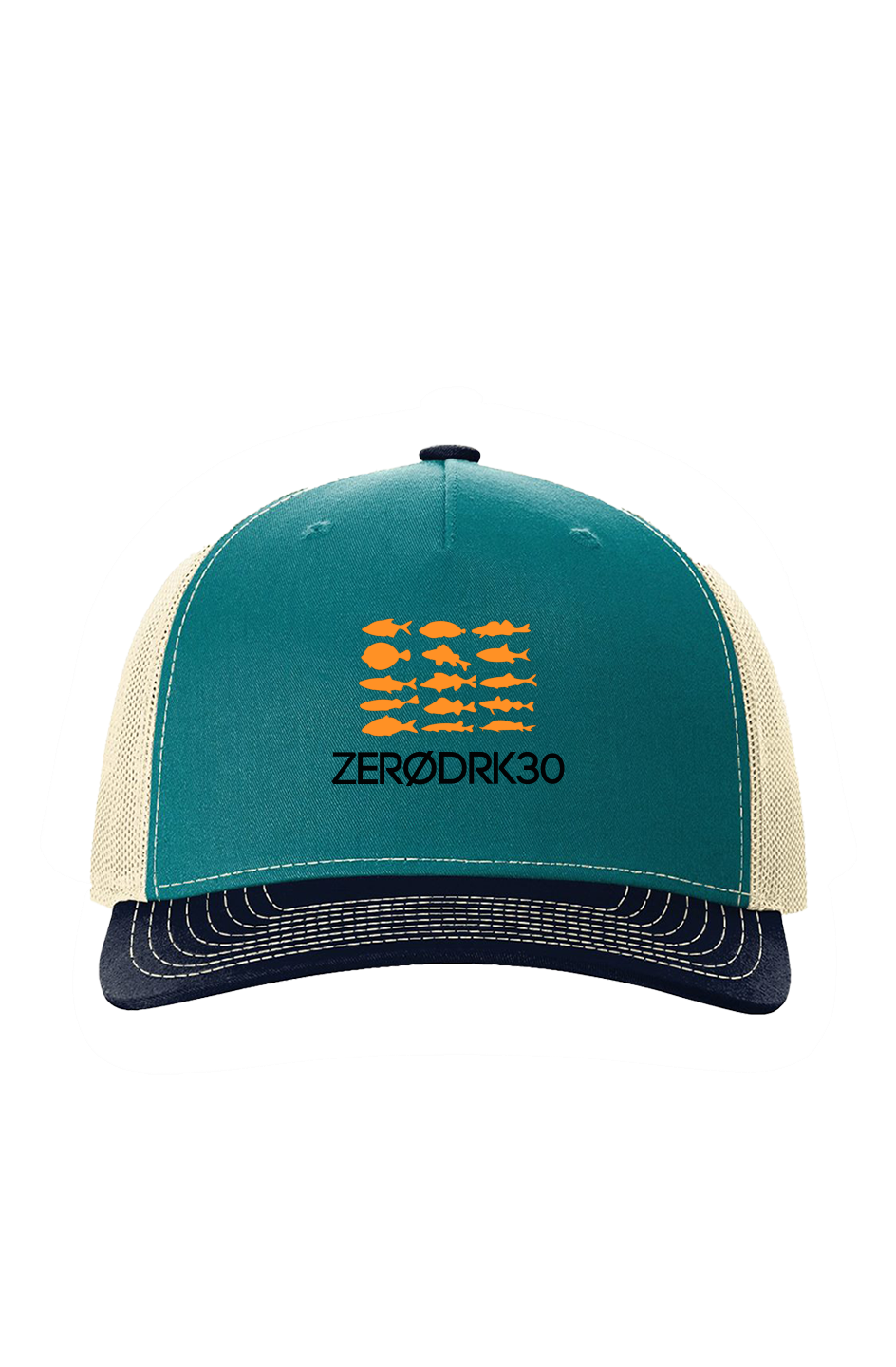
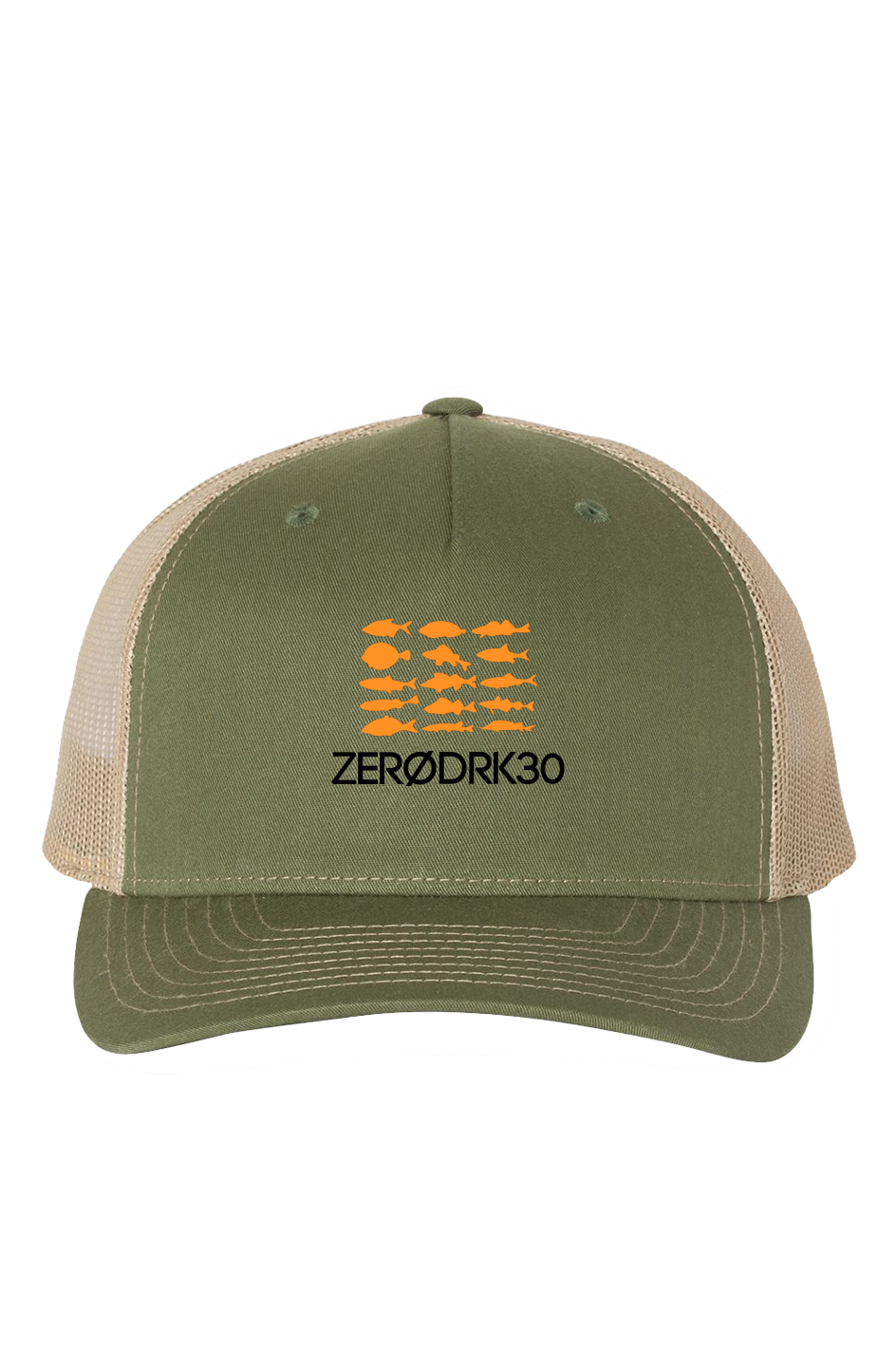
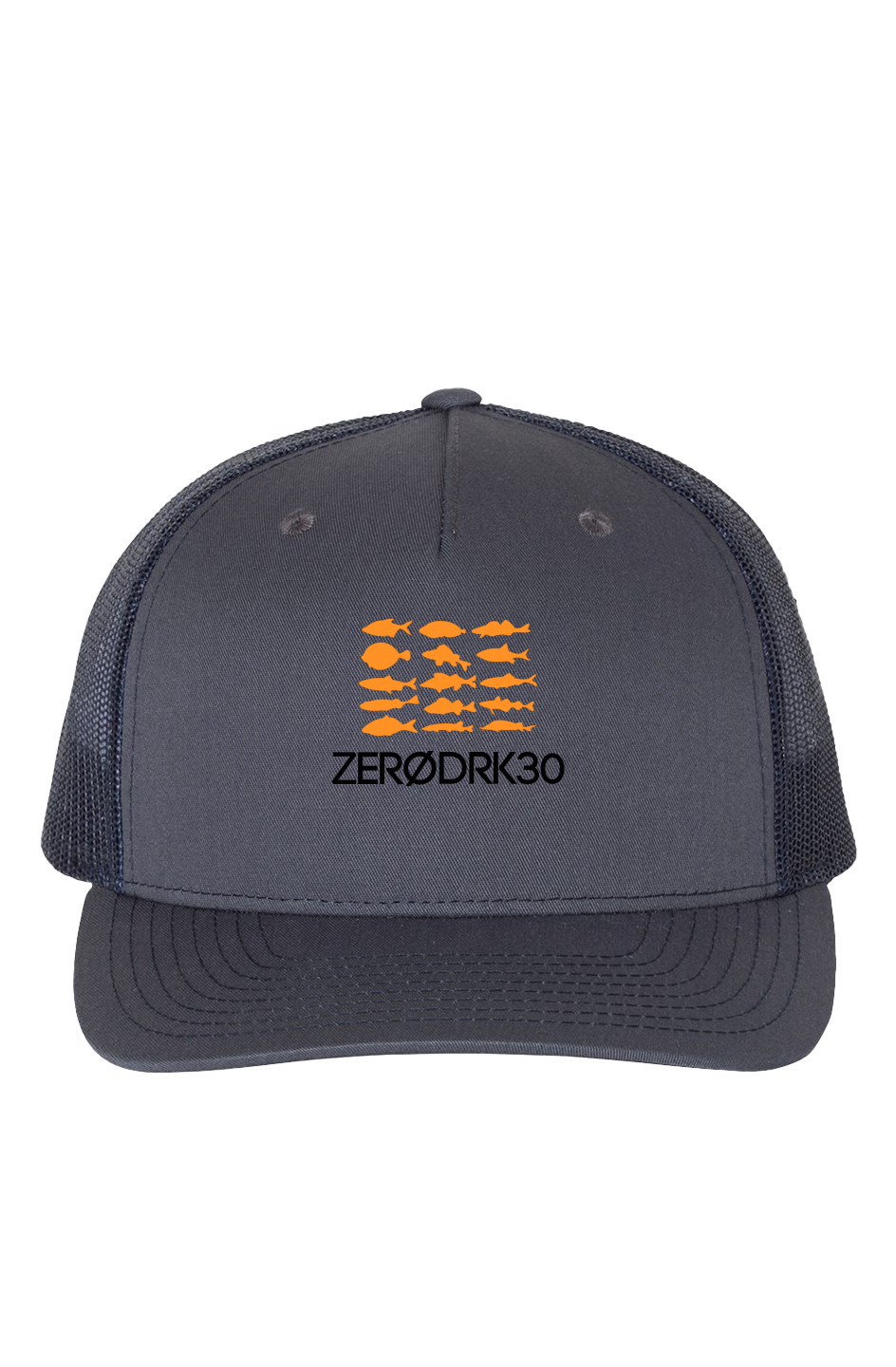


Performance fishing apparel is clothing chosen for the real demands of a day on the water: changing temperatures, sun exposure, spray, movement, and hours of wear. The right piece should help you stay comfortable and move freely, but the exact benefits depend on the garment. Always check the individual product page for verified fabric, fit, care, and performance details before you buy.
This guide explains what separates performance-minded fishing clothing from ordinary casualwear, which features deserve your attention, and how to choose apparel based on the conditions you expect to face.
What is performance fishing apparel?
Performance fishing apparel is clothing developed or selected for fishing and outdoor use rather than appearance alone. Depending on the specific garment, it may offer practical coverage, easier movement, lightweight construction, moisture management, or other verified features. No single benefit applies to every fishing shirt, hoodie, jacket, or pair of shorts, so the product details matter.
That last point is important. A product name that includes words such as "performance," "technical," or "fishing" does not prove what the garment can do. Strong buying decisions start with the label, size information, material details, care instructions, and the conditions in which you plan to wear it.
What should you look for in performance fishing clothing?
1. A clear use case
Start with the day you are dressing for. Boat fishing, casting from shore, spending a quiet morning on a lake, and wearing fishing-inspired clothing around town do not create the same needs.
For a hot, exposed day, coverage and lightweight comfort may matter most. An early launch can call for a layer that handles cooler air before temperatures rise. Meanwhile, casual time around the marina may place more weight on everyday comfort and style. The best choice is not the garment with the longest feature list. It is the one that fits the actual situation.
2. Verified sun coverage
Long sleeves, collars, hoods, and other coverage features can help reduce how much skin remains exposed. However, coverage and a verified UPF rating are not the same thing. UPF describes how much ultraviolet radiation passes through a fabric. According to The Skin Cancer Foundation's guidance on sun-protective clothing, the rating should appear on the garment or in reliable product information.
Never assume that every fishing shirt has a UPF rating. Check the specific product page, and combine clothing with the other sun-safety steps appropriate for your day. For a deeper look at coverage, fabric labels, and practical choices, read our guide to sun protection fishing gear.
3. Fabric behavior in heat, sweat, and spray
Fishing clothing often gets exposed to heat, perspiration, splashes, sunscreen, and changing wind. That does not mean every synthetic fabric performs the same way, or that every cotton garment is automatically unsuitable.
Instead of judging the material category alone, look for product-specific information. Does the manufacturer explicitly confirm moisture-wicking or quick-drying performance? Is the garment described as lightweight or breathable? Are those details supported by the product listing rather than implied by the design? If the page does not confirm a feature, do not assume it is included.
4. Freedom of movement
Fishing involves repeated reaching, casting, bending, sitting, standing, and handling gear. A shirt can look right but still feel restrictive through the shoulders or arms. A hoodie may offer useful coverage but become inconvenient if the cut interferes with movement or layering.
Review the size chart and fit notes before choosing. Think about whether you prefer a closer fit, room for an undershirt, or space for a light layer. Measurements are more useful than relying only on the size you usually buy from another brand.
5. Construction that matches the activity
Useful construction details vary by product. Anglers may value secure pockets, simple cuffs, a comfortable neckline, a hood that stays out of the way, or seams that do not create irritation during repeated movement. Other shoppers may prefer a straightforward shirt without extra hardware or storage.
Look closely at product photos and written specifications. Terms such as snag-resistant, water-resistant, reinforced, or durable should appear only when the product information supports them. A fishing design alone does not establish technical performance.
6. A fit you can wear for hours
Comfort is not only about softness. Sleeve length, shoulder width, torso length, waistband pressure, and room for movement all affect how a garment feels over a long day.
Before ordering, compare your measurements with the current size chart. Also consider the layers you expect to wear and whether the product is described as fitted, regular, relaxed, or oversized. When that information is missing, contact the brand rather than guessing.
7. Care instructions you can realistically follow
Technical features can depend on fabric, construction, finishes, and printing methods. For that reason, universal washing advice is risky. Follow the instructions attached to the specific garment and the current care guidance on its product page.
Before buying, make sure the care routine fits your habits. A product that requires treatment you will not follow is unlikely to be the right long-term choice, no matter how good it looks on the first trip.
Performance fishing apparel vs. ordinary casual clothing
The table below shows how to compare the two categories without assuming that every fishing garment contains the same features.
Swipe horizontally to view the full table on mobile.
| Decision point | Ordinary casual clothing | Performance-minded fishing apparel | What to verify |
|---|---|---|---|
| Primary purpose | Everyday wear and general comfort. | Fishing or outdoor use is part of the product's stated purpose. | The intended activity on the product page. |
| Moisture and drying | May not provide specific performance information. | May include verified moisture-management or drying features. | Exact fabric and confirmed feature language. |
| Sun coverage | Coverage depends on the cut and fabric. | May offer more coverage or a verified UPF rating. | Sleeve, collar, hood, and UPF details. |
| Movement | Cut may prioritize everyday style. | The cut may account for casting, reaching, and layering. | Measurements, fit notes, and product photos. |
| Construction | Details may be selected mainly for appearance. | Details may support coverage, storage, comfort, or movement. | Visible and written product specifications. |
| Care | Standard care may be sufficient. | The garment may have product-specific care requirements. | Current care label and product instructions. |
How to choose fishing apparel for different conditions
Hot and sunny days
Prioritize coverage, a comfortable fit, and any verified sun or moisture-related features. A long sleeve can provide more physical coverage than a short sleeve, but that does not automatically make it cooler or prove a UPF rating. Review the fabric and product information before deciding.
ZeroDrk30 shoppers can compare the current long sleeve tee collection with the short sleeve tee collection, or browse the women's collection for additional styles and layers. Product details vary, so evaluate each garment on its own specifications.
Cool starts and changing weather
An early launch may feel cold even when the afternoon forecast is warm. A practical setup often uses layers that can be adjusted as conditions change. Check whether a shirt, hoodie, or jacket gives you enough room to layer without limiting your shoulders or arms.
Boat spray and active movement
When spray and repeated movement are likely, pay close attention to the garment's confirmed fabric behavior, fit, cuffs, hem, and construction. Do not treat water resistance or quick-drying performance as automatic. Those features need to be stated for the exact product.
Casual time around the water
Not every fishing-inspired piece needs a technical specification sheet. For dockside meals, travel, boat preparation, or casual weekends, comfort, fit, design, and connection to the lifestyle may matter more than specialized features. Performance language should match the garment rather than being forced onto it.
Performance fishing apparel
Start with gear that fits the way you spend time on the water.
Explore current ZeroDrk30 best sellers and review each product's verified details before choosing the right piece for your next early start, boat day, or outdoor weekend.
Explore ZeroDrk30 Best SellersFeatures vary by product. Check the current product page for material, fit, care, and performance information before ordering.
Common mistakes when buying technical fishing apparel
Assuming every fishing shirt has the same features
A fishing graphic, product name, or category placement does not confirm UPF, moisture-wicking, quick-dry, water resistance, or any other technical benefit. Read the exact product information.
Buying by size alone
A medium from one product or brand may not match a medium from another. Use measurements and fit notes, especially when you plan to layer or need room for repeated casting.
Choosing the longest feature list
More features do not always mean a better choice. A simple, comfortable shirt may suit a relaxed shoreline trip better than a highly specialized garment. Match the apparel to your use case.
Ignoring care requirements
The wrong care routine can affect appearance, print quality, fit, or product performance. Check the label before washing and follow the instructions for that garment.
Expecting clothing to replace preparation
Apparel is one part of a responsible day outdoors. Weather awareness, hydration, sun-safety measures, suitable footwear, and the rest of your setup still matter. Clothing should support the day, not create a false sense of protection.
A practical checklist before you buy
- Use: Where and when will you wear it?
- Conditions: Do you expect heat, sun, wind, spray, cool air, or changing weather?
- Coverage: Does the cut cover the areas you want protected?
- Verified features: Which performance claims appear on the exact product page?
- Fit: Have you checked measurements rather than relying on your usual size?
- Movement: Will the shoulders, sleeves, waist, and hem work for casting and layering?
- Care: Can you follow the product's washing and drying instructions?
- Support: Is there a clear way to ask a question before ordering?
Why ZeroDrk30 approaches fishing apparel differently
ZeroDrk30 is built around early mornings, discipline, fishing culture, and community. The brand's founder discovered fishing during his time as an active-duty Marine, and that connection helped shape a performance-minded outdoor brand for anglers and people who respect the lifestyle. You can read more about the ZeroDrk30 story.
That identity does not remove the need for specific product information. It makes clarity even more important. Every shirt, hoodie, jacket, or accessory should be judged by its own purpose and verified details, not by broad promises that may not apply across the collection.
Frequently asked questions about performance fishing apparel
Is performance fishing apparel different from regular activewear?
It can be. Performance fishing apparel is positioned around fishing and outdoor use, while general activewear may be built for running, training, or everyday activity. The meaningful difference comes from the actual fabric, construction, fit, coverage, and verified features of the individual garment.
Does every fishing shirt have UPF protection?
No. A fishing shirt should not be described as UPF-rated unless that rating is confirmed in the product information. Long sleeves offer more physical coverage than short sleeves, but coverage alone does not establish a UPF rating.
Are long sleeves always better for fishing?
No. Long sleeves may suit shoppers who want more coverage, while short sleeves may feel more comfortable in other settings. Weather, fabric, fit, activity level, layering, and personal preference should guide the decision.
Is cotton always a bad choice for fishing?
No. Cotton can work for casual, mild, or low-intensity situations. For days involving sweat, spray, or changing conditions, some anglers prefer garments with verified moisture-management or drying features. The right answer depends on the trip and the specific product.
How should fishing apparel fit?
It should allow the movement your fishing style requires without creating unnecessary bulk or restriction. Check shoulder room, sleeve length, torso length, waist measurements, and space for layers. Use the current product size chart rather than guessing.
How do I know whether a fishing shirt is quick-drying?
Look for an explicit quick-dry claim in the product description or supplier information. Do not assume the feature based on a synthetic fabric, a fishing design, or the word "performance" in the product name.
What is the best first piece of performance fishing clothing to buy?
Start with the item that solves the clearest need in your current setup. That may be a long sleeve for coverage, a short sleeve for warm casual use, a layer for early starts, or a straightforward shirt that moves comfortably. Choose by use case, not hype.
Choose the details, not just the label
Performance fishing apparel earns its place in your setup when the garment fits the conditions, moves with you, and provides the specific benefits its product page promises. Avoid broad assumptions, compare the details, and choose clothing that makes sense for the way you actually fish.
For more product education, outdoor apparel guidance, and ZeroDrk30 updates, explore the Fishing Apparel & Gear blog.
Stay ready for the next drop
Get fishing apparel updates without the noise.
Join the ZeroDrk30 list for product drops, gear updates, and useful content for life on and around the water.
Join the ZeroDrk30 ListNo fake urgency. Just product news, fishing apparel content, and updates worth opening.
